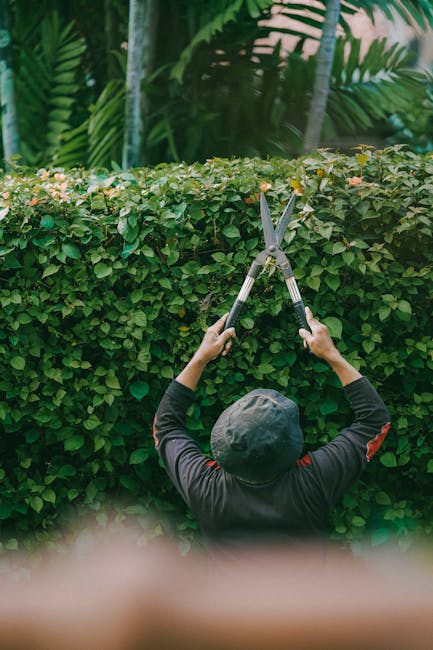
Gardeners selection guide: what to check before you hire in the UK
Hiring a gardener sounds simple enough, until you start comparing quotes and realise that one person trims hedges, another specialises in tidy borders, and a third is basically a one-person landscaping operation with a van full of kit. If you are trying to make a sensible choice, this Gardeners selection guide what to check before you hire in the UK will help you sort the genuine professionals from the hopefuls. The goal is not just to find someone who can mow a lawn. It is to find a reliable gardener who shows up, understands your garden, works safely, and leaves you with less stress, not more.
Whether you need regular garden maintenance, a one-off clear-up, seasonal pruning, or help with a neglected outdoor space, the right checks will save time and money. They also protect you from awkward misunderstandings later on. Let's face it, gardening work often starts with good intentions and ends with surprise extras if the scope is not clear. This guide shows you how to hire with confidence, what to ask, and where people often get caught out.
Table of Contents
- Why gardeners selection matters
- How the hiring process works
- Key benefits and practical advantages
- Who this guide is for
- Step-by-step guidance
- Expert tips for better results
- Common mistakes to avoid
- Tools, resources and recommendations
- Law, compliance, standards and best practice
- Options, methods and comparison table
- Case study or real-world example
- Practical checklist
- Conclusion
- Frequently asked questions
Why Gardeners selection guide what to check before you hire in the UK Matters
A good garden can transform a property. It can also become a constant source of frustration if the work is inconsistent, poorly timed, or simply not the right fit. In the UK, gardens are shaped by weather, soil type, shade, drainage, and the very British habit of everything looking fine in April and slightly wild by August. So the person you hire needs more than a mower and a pair of gloves.
The selection process matters because different gardeners do different things. Some focus on routine maintenance. Some handle planting and seasonal work. Others take on heavier clearance, hedge cutting, and one-off tidy-ups. If you do not check experience, insurance, equipment, and expectations properly, you can end up paying for the wrong type of service. Or worse, paying twice.
There is also the trust side. A gardener may work around your home, side gate, sheds, bins, and sometimes delicate planting you have spent years building up. You need someone who respects the space. That sounds obvious, but in real life it makes all the difference.
Expert summary: the best gardener is not always the cheapest or the flashiest. It is the one whose skills, reliability, and working style match your garden and your priorities.
How Gardeners selection guide what to check before you hire in the UK Works
Think of hiring a gardener as a short decision process with a few checks at each stage. First you define the job. Then you compare candidates. Then you test whether what they offer matches what you actually need. Simple on paper. Slightly messier in practice.
1. Define the job clearly
Before you ask anyone for a quote, decide whether you need regular maintenance, one-off help, design advice, planting, pruning, clearance, lawn care, or something more specialist. A vague request like "tidy the garden" can mean ten different things. One gardener may assume light weeding and mowing. Another may quote for hard labour, waste removal, and a full reset. Not the same thing at all.
2. Check their fit for the work
Look at the type of garden you have. Small paved courtyard? Large lawn? Overgrown borders? Mature hedging? Raised beds? If the garden needs steady routine work, choose someone who is comfortable with regular maintenance. If it needs restorative work, choose someone who is used to heavier clearances and knows how to work methodically.
3. Compare the quote against the real scope
Price matters, of course. But what is included? Is waste removal included? Are plants supplied? Does the quote cover travel, tools, labour, and follow-up visits? A neat quote can still be misleading if it leaves out the bits that cost you later.
4. Confirm practical trust signals
Ask about insurance, experience, availability, and how they communicate. If they are slow to reply during the quote stage, do not expect miracles later. To be fair, everyone gets busy now and then. But a consistent pattern is worth noting.
In real terms, the hiring process works best when you treat it like a small procurement decision, not a casual favour. That sounds a bit formal, but it saves hassle.
Key Benefits and Practical Advantages
Choosing carefully gives you more than a tidy lawn. It gives you better long-term control over your outdoor space and a much lower chance of disappointment.
- Better results: the right gardener will understand the difference between a quick cut-back and a thoughtful seasonal maintenance plan.
- Less rework: you avoid paying someone to do work that needs correcting afterwards.
- Safer jobs: proper insurance, safe tool use, and sensible working practices reduce risk around your property.
- Clearer budgets: when the scope is defined properly, you can plan spend with fewer surprises.
- More consistent upkeep: regular visits from a reliable gardener usually keep small problems from becoming big ones.
- Better plant health: correct pruning, feeding, and watering routines matter more than many people realise.
There is also a quieter benefit: peace of mind. When someone knows what they are doing, you can stop worrying about whether your roses will be butchered or your hedge cut into something that looks like it lost an argument with a hedge trimmer.
Who This Is For and When It Makes Sense
This guide is useful for homeowners, landlords, tenants with garden responsibilities, property managers, and anyone inheriting a garden that has got a bit unruly. It is especially helpful if you are hiring for the first time, or if you have had mixed experiences with local gardeners before.
It also makes sense when the job is seasonal. In spring, you might need beds cleared and refreshed. In summer, you may want lawn care and border maintenance. In autumn, leaf clearance and cutting back become more urgent. Winter is often the point where people decide they need a proper reset rather than another rushed tidy-up.
If you are comparing quotes in a busy area, or managing a property from a distance, these checks become even more important. A quick phone call is not enough. You need enough detail to make a fair comparison.
Step-by-Step Guidance
Here is a practical way to choose the right gardener without overcomplicating it.
Step 1: Write down exactly what you want done
List the tasks in plain English. For example: mow front and back lawns, weed borders, trim two hedges, clear leaves, and take away green waste. If you can, add photos. A garden always tells a more honest story in pictures than it does in a rushed phone description.
Step 2: Ask about relevant experience
Not every gardener does every type of work. A person who mainly handles maintenance may not be the right choice for a large clearance. Ask what kinds of gardens they usually work on and whether they have handled similar jobs before. The more similar the work, the better.
Step 3: Check insurance and safety approach
This is a big one. Ask whether they carry public liability insurance and how they handle safety on site. If they are using ladders, power tools, or working near paths, gates, or fragile surfaces, you want clear answers. It does not need to be dramatic. Just sensible.
You may also want to review their published insurance and safety information and health and safety approach if they provide one. That alone can tell you a lot about how seriously they take the job.
Step 4: Get a detailed quote
Ask for a written estimate that explains the work, the visit frequency if relevant, what is included, and what is not. Waste disposal, plant supply, and follow-up visits should be clear. If something feels vague, ask again. No need for awkwardness. It is your garden and your money.
Step 5: Compare communication style
Do they answer directly? Do they explain things in simple language? Do they turn up when they say they will? Good communication at the start usually means smoother work later. I know, it sounds like common sense, but common sense is often the first thing to disappear when people rush a booking.
Step 6: Look at consistency, not just enthusiasm
Some people sound brilliant on the phone and then vanish for a week. Others are less flashy but incredibly dependable. For recurring garden work, reliability often matters more than a polished sales pitch. A decent gardener should be able to talk about timing, maintenance cycles, and realistic outcomes without overselling.
Step 7: Agree how changes are handled
Gardens change. A hidden patch of bramble appears. A hedge is taller than expected. Soil is heavier than it looked. Ask how they handle extra work or scope changes before they start. That conversation can prevent frustration later.
Expert Tips for Better Results
These are the little things that tend to separate a decent hiring experience from a really good one.
- Ask what they will not do. This sounds odd, but it is useful. It reveals where their limits are.
- Request timing advice. A good gardener should be able to tell you whether a task is better done now or left for the right season.
- Check whether they bring their own tools. Most professionals do, but it is worth confirming.
- Use photos for first quotes. It saves time and reduces guesswork.
- Keep an eye on waste handling. Green waste can add cost and also affects how tidy the job feels at the end.
One small but useful habit: ask them how they would prioritise your garden if time or budget is limited. A thoughtful answer usually sounds practical rather than dramatic. For example, they might suggest dealing with overgrown access first, then the beds, then the lawn. That is the kind of judgement you want.
Also, be cautious of vague promises like "we can sort anything." Can they, though? Maybe. But good professionals usually explain how they would approach the work, not just that they can do it all.
Common Mistakes to Avoid
Most hiring problems come from a few familiar mistakes. Luckily, they are easy to avoid once you know them.
Choosing on price alone
The cheapest quote can be tempting, especially if the garden feels out of control and you just want the job done. But low pricing may mean limited time, limited equipment, or hidden extras. Compare value, not just the headline number.
Not defining the scope
If you do not say whether waste removal, hedge cutting, or planting is included, expect confusion. The details matter.
Skipping insurance checks
If someone is working on your property with tools, ladders, or machinery, insurance is not a box-ticking exercise. It is basic protection.
Assuming all gardeners do the same thing
Some focus on design, some on maintenance, and some on heavy clearance. Hiring the wrong type of gardener is a very common reason people end up disappointed.
Not asking about access and logistics
Can they get equipment through the side gate? Where will waste go? Is there parking nearby? These practical points seem small right up until they become a delay.
Ignoring responsiveness
If replies are slow before you hire them, do not expect magically better communication after. Sometimes the clues are right there in the first email.
Tools, Resources and Recommendations
You do not need fancy systems to hire well. A simple approach is usually best.
What to prepare before contacting gardeners
- Photos of the garden from different angles
- A short written list of tasks
- Any access notes, like side gates or parking restrictions
- Preferred days or time windows
- Notes on pets, children, or delicate areas
What good gardeners often use
Depending on the job, a gardener may use hand tools, lawn mowers, hedge trimmers, strimmers, pruning tools, wheelbarrows, and waste bags. For larger work, they may bring more specialist equipment. It is perfectly reasonable to ask what tools they will use and whether those tools are suitable for the task.
Helpful things to request in writing
- A clear quote
- A short task list
- Any exclusions or assumptions
- Expected visit length or schedule
- How waste will be handled
If you are comparing providers, it can help to look at how they present their service information and business details. Pages such as about the company and pricing and quote guidance can give you a feel for how transparent they are. That is not about being nosy. It is about making a sensible choice.
For some readers, payment handling matters too, especially if a deposit or staged payment is involved. If that is relevant, review the company's payment and security details before you agree to anything.
Law, Compliance, Standards, or Best Practice
For domestic garden work in the UK, there is not one single rulebook that covers every job. But there are some sensible expectations that help keep things safe and professional.
First, anyone working on your property should be clear about their insurance cover where appropriate. Second, if the work involves powered equipment, lifting, ladders, or anything that creates a risk of injury or damage, safe working practices matter. Third, if waste is being removed, it should be handled responsibly and in line with good environmental practice.
It is also worth remembering that reputable businesses usually have clear written policies. Not every small gardener will have a polished website, and that is fine, but if they do, policy pages can provide useful reassurance. For example, a published terms and conditions page can help clarify responsibilities, while a complaints procedure shows they have thought about what happens if something goes wrong.
For customers who care about sustainability, it is fair to ask how waste is reduced, reused, or disposed of. Some gardens generate a surprising amount of green waste, especially after a big cut-back. A provider's recycling and sustainability approach can be a useful sign of how seriously they take environmental responsibility.
And yes, if you need to understand how personal details are handled during an enquiry, their privacy policy and cookie policy are worth a quick look. Not glamorous, but useful.
Options, Methods, or Comparison Table
Different gardens need different kinds of help. Here is a simple comparison to make the decision easier.
| Type of gardener | Best for | What to check | Common risk |
|---|---|---|---|
| Regular maintenance gardener | Ongoing mowing, weeding, trimming, tidy borders | Reliability, schedule, consistency | Work may be too basic if your garden needs restoration |
| One-off clearance gardener | Overgrown gardens, seasonal cut-backs, garden resets | Experience, waste removal, equipment | Scope creep if the garden is larger than expected |
| Planting and border specialist | Bed design, planting plans, plant health | Horticultural knowledge, local plant suitability | Style may be beautiful but maintenance can become demanding |
| Lawn care focused gardener | Repairing, feeding, mowing, edging, lawn improvement | Lawn experience, timing, treatment knowledge | Good turf work can be time-sensitive and seasonal |
The right option depends on the job, not the label. A gardener who is brilliant at routine tidy-ups may not be the one you want for a heavily neglected space, and that is perfectly normal.
Case Study or Real-World Example
A typical example: a homeowner in a suburban part of London had a back garden that looked manageable from the kitchen window, but closer inspection showed two shrubs crowding the path, a hedge that had outgrown its line, and borders full of weeds hiding under old leaves. They first asked for a "general tidy." Three quotes came back, all different. One priced it as a half-day visit, one as a full clearance, and one barely mentioned waste removal.
Instead of choosing the lowest number, they asked each gardener to confirm the exact tasks, access arrangements, and whether the green waste would be taken away. The strongest quote explained what would be done first, what might be left for a later visit, and how long the work was likely to take. That clarity made the choice easy.
The result was not just a cleaner garden. The customer also understood how to maintain it afterwards. No drama, no mystery invoice, no "oh, I thought you meant the front too." Truth be told, that last part is what people often value most.
Practical Checklist
Use this before you confirm a booking.
- Have I clearly defined the garden work I need?
- Have I shared photos or a simple task list?
- Do I know whether this gardener does maintenance, clearance, planting, or all three?
- Have I asked about insurance and safety practices?
- Is the quote written and specific?
- Do I know what is included and excluded?
- Have I checked whether waste removal is included?
- Have I asked what tools or equipment they will bring?
- Am I happy with how quickly and clearly they communicate?
- Have I checked their terms, complaints process, and payment expectations where relevant?
Quick decision rule: if a gardener is clear, responsive, suitably experienced, and transparent about the scope, they are usually worth a closer look. If they are vague on three or four of those points, keep searching.
Conclusion
Hiring a gardener in the UK should feel practical, not puzzling. The best decision comes from checking the basics properly: the type of work they do, how they price it, whether they are insured, how they communicate, and whether their approach suits your garden. Those checks take a little time upfront, but they save a lot of hassle later.
If you remember only one thing from this Gardeners selection guide what to check before you hire in the UK, make it this: choose for fit, not just convenience. A gardener who understands your space, explains their work clearly, and respects your budget will usually give you a much better experience. And honestly, a calmer garden start is a calmer season overall.
If you are ready to move forward, take a breath, gather a few photos, and ask the right questions before you book. That small bit of prep can make the whole job feel easier from the very first visit.
Get a free quote today and see how much you can save.
Frequently Asked Questions
What should I check before hiring a gardener in the UK?
Check their experience, insurance, quote detail, communication, availability, and whether they actually do the type of work you need. A gardener can be great at lawn care but not ideal for overgrown clearance, so match the job to the person.
How do I know if a gardener is reputable?
Look for clear answers, prompt replies, written quotes, sensible questions from them, and a professional attitude. Reputable gardeners usually explain what they will do and do not overpromise.
Should a gardener have insurance?
For work on your property, insurance is a sensible expectation. Public liability insurance is commonly discussed because it helps protect against accidental damage or injury. Always ask directly rather than assuming.
What questions should I ask a gardener before hiring?
Ask what work they specialise in, what the quote includes, whether waste removal is included, what equipment they use, and how they handle changes to the job. Those questions usually reveal a lot.
How much should I pay a gardener in the UK?
There is no single figure that fits every garden. Costs vary by garden size, complexity, frequency, access, and location. The better approach is to compare detailed quotes rather than chase a rough headline price.
Is it better to hire a gardener regularly or as a one-off?
If your garden needs ongoing upkeep, regular visits usually work best because small issues are dealt with before they grow. A one-off visit makes more sense for a clearance, seasonal reset, or special project.
What should be included in a gardener's quote?
A good quote should state the tasks, visit length or frequency, exclusions, waste removal arrangements, and any assumptions. If something is not written down, ask for it to be clarified.
Can I ask a gardener to provide plants and materials?
Yes, and many will. Just make sure you know whether plant supply is included in the price or charged separately. It is a common source of confusion, especially for border work or planting jobs.
How do I avoid getting overcharged for garden work?
Get multiple quotes, define the scope clearly, and compare what each quote includes. Avoid agreeing to vague verbal estimates if the work is sizeable. A written agreement is much safer.
What if the gardener finds more work than expected?
That happens often enough in real gardens. Ask in advance how extra work will be agreed before it starts. A good gardener will explain any changes clearly and get your approval first.
Do gardeners remove waste as part of the service?
Sometimes yes, sometimes no. It depends on the provider and the job size. Never assume waste removal is included unless it is clearly stated in the quote or agreement.
What is the best way to compare gardeners?
Compare experience, quote detail, insurance, communication, and how well they understand your specific garden. A slightly higher quote can be better value if it is clearer and more complete.